
Personal Finance Blog
Expert articles on investing, retirement, debt payoff, and wealth-building — in plain language.
Investing

How Does Dollar-Cost Averaging Work? A Complete Guide
Learn how dollar-cost averaging reduces risk, smooths out market volatility, and helps you build wealth consistently over time.

Index Funds vs ETFs: Which Should You Choose?
Compare index funds and ETFs — costs, tax efficiency, trading flexibility, and which is better for your investment goals.

How to Build a Diversified Investment Portfolio
Step-by-step guide to building a diversified portfolio that balances risk and return across asset classes, sectors, and geographies.
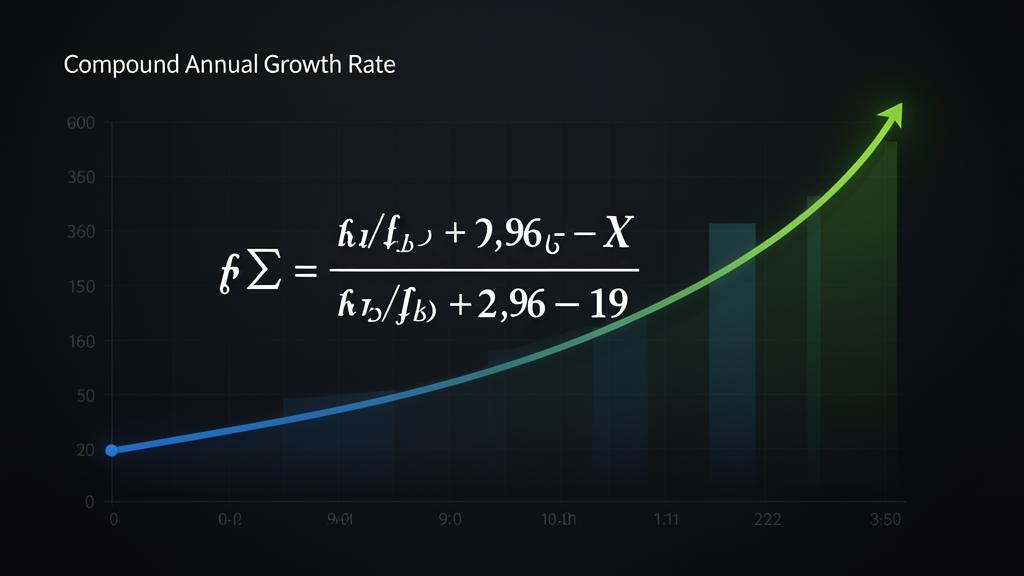
What Is CAGR and How to Calculate It?
Learn what compound annual growth rate (CAGR) means, how to calculate it, and how to use it to compare investment performance accurately.
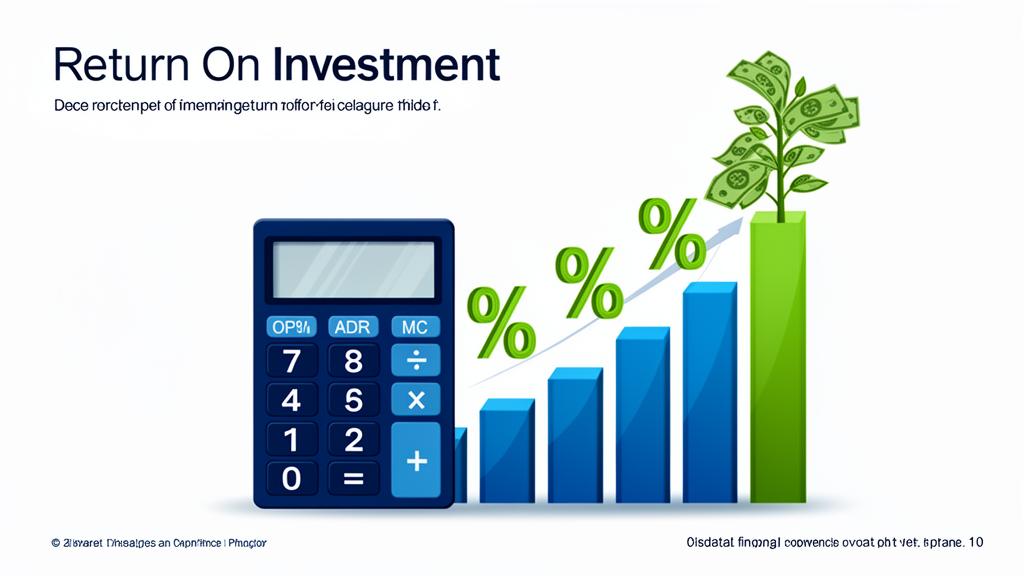
How to Calculate Return on Investment (ROI)
Master ROI calculation with clear formulas, real-world examples, and tips for comparing investment opportunities accurately.

What Is Tax-Loss Harvesting and How Does It Save You Money?
Learn how tax-loss harvesting works, when to use it, wash-sale rules to avoid, and how much it can realistically save you each year.

How to Build Passive Income Streams: 7 Proven Methods
Discover 7 realistic passive income strategies — from dividend investing to digital products — with expected returns, startup costs, and time to profitability.

What Is a Bear Market and How to Survive One
Understand what defines a bear market, how long they typically last, historical examples, and proven strategies to protect and grow your portfolio during downturns.

Annual Investment Portfolio Review Checklist
A step-by-step checklist to review your investment portfolio each year — rebalance, cut fees, and stay aligned with your financial goals.

Annualized Return vs. Total Return: Which One Should You Trust?
Learn the difference between annualized return and total return, when to use each metric, and how they affect your investment decisions.

Benchmark-Relative Return: How to Know If Your Portfolio Is Actually Winning
Learn how to measure your portfolio performance against the right benchmarks and whether your returns are truly beating the market.

Compound Interest Calculator Explained: How to Calculate Monthly and Yearly Growth
Learn how compound interest calculators work, the formulas behind monthly and yearly compounding, and how to use them to project your savings and investment growth.

Compound Interest Mistakes That Slow Wealth Building
Avoid these common compound interest mistakes that quietly erode your returns — from starting late to paying high fees and ignoring inflation.

Crypto Position Sizing, Fees, and Break-Even: A Complete Guide
Learn how to size crypto positions, account for trading fees, and calculate your break-even price to manage risk and protect your capital.
Dividend Reinvestment Calculator Guide: DRIP Strategy for Long-Term Returns
Learn how dividend reinvestment (DRIP) accelerates wealth building and use our calculator to see how reinvested dividends compound over time.
Dividend Reinvestment & Long-Term Compounding: How DRIPs Build Wealth
Learn how dividend reinvestment plans (DRIPs) harness compounding to accelerate portfolio growth over decades.
How Inflation Affects Your Investments: Real vs Nominal Returns Explained
Learn the difference between real and nominal returns, how inflation erodes purchasing power, and strategies to protect your portfolio from inflation drag.
How Long Will It Take to Reach $1 Million? Investment Growth Breakdown
Calculate how many years it takes to reach $1 million based on your starting amount, monthly contributions, and expected return rate.
How Much Should I Invest Monthly to Reach $100,000? Step-by-Step Guide
Calculate the exact monthly investment needed to reach $100,000 based on your timeline, starting balance, and expected returns. Includes formulas and scenarios.
How to Calculate ROI on Investments: With Examples and Calculator
Learn the ROI formula, see worked examples for stocks, real estate, and business investments, and use our free calculator to compute your own return on investment.
Rule of 72 Explained: How Long to Double Your Money
Learn the Rule of 72 shortcut to estimate how many years it takes to double your investment. Includes formula, examples, limitations, and a free calculator.
XIRR vs CAGR for Irregular Investments: What Investors Should Use
Understand the difference between XIRR and CAGR, when to use each, and why XIRR is essential for SIPs, real estate, and any investment with irregular cash flows.
Real Return vs Nominal Return: How to Measure Actual Investment Growth
Understand the difference between real and nominal returns, why inflation adjustment matters, and how to calculate the real rate of return on your investments.
What Is Compound Interest? Formula, Examples & Free Calculator (2026 Guide)
Understand compound interest from the ground up — the formula, real-world examples, how frequency affects growth, and a free calculator to run your own numbers.

Monthly SIP Calculator Guide: How to Build Wealth with Systematic Investing
Learn how systematic investment plans (SIPs) work, how to calculate expected returns, and why disciplined monthly investing outperforms lump-sum timing attempts.
SIP vs Lump Sum: Which Strategy Fits Your Cash Flow?
Compare systematic investment plans (SIP) with lump sum investing. Learn which approach works best for different income patterns and market conditions.
Inflation-Proof Investing: Plan for Long-Term Goals
Learn how to build an investment portfolio that preserves purchasing power against inflation. Strategies for TIPS, equities, real estate, and commodities.
ROI vs CAGR: What's the Difference & How to Calculate Annualized Returns
Understand the difference between ROI and CAGR, when to use each metric, and how to calculate annualized investment returns for better decision-making.
ROI vs CAGR: Which Metric to Use for Investment Decisions
A practical guide to choosing between ROI and CAGR when evaluating investments, with examples showing when each metric gives you the clearest picture.

What Is Compound Interest and How Does It Work?
A comprehensive guide to compound interest — how it works, why it matters, and how to harness it for wealth building.

How to Start Investing With Little Money
A step-by-step guide to beginning your investment journey with $50, $100, or even less — practical strategies that work for beginners.
Retirement

What Is the 4% Rule for Retirement Withdrawals?
Understand the 4% rule, how it was developed, whether it still works today, and how to apply it to your own retirement planning.

How to Retire at 55: A Complete Step-by-Step Guide
Plan your early retirement at 55 with strategies for savings targets, healthcare coverage, income bridges, and tax-efficient withdrawals.
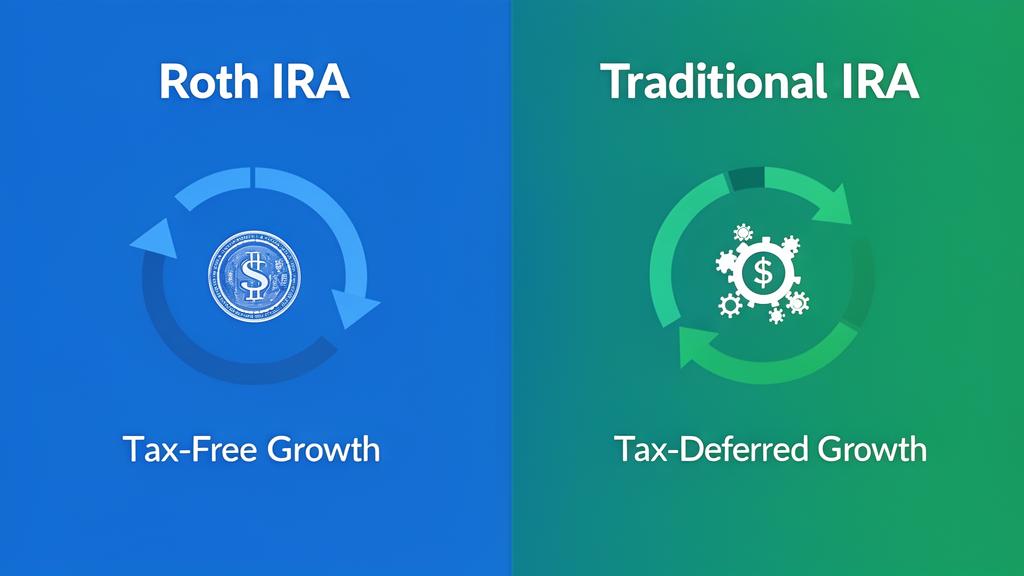
Roth IRA vs Traditional IRA: Which Is Better for You?
Compare Roth and Traditional IRAs — tax treatment, contribution limits, withdrawal rules, and which account type fits your financial situation.

What Is the FIRE Movement? A Complete Beginner's Guide
Everything you need to know about Financial Independence, Retire Early (FIRE) — the philosophy, the math, different FIRE variants, and how to get started.

How to Calculate Your Retirement Number: A Simple Guide
Learn how to calculate exactly how much money you need to retire comfortably, accounting for inflation, healthcare, Social Security, and your desired lifestyle.

Retirement Planning Checklist: What to Do at Every Age
A decade-by-decade retirement planning guide covering savings milestones, investment shifts, and key decisions from your 20s through your 60s.

Social Security Strategies: How to Maximize Your Benefits
Learn when to claim Social Security, how spousal and survivor benefits work, and strategies to maximize your lifetime income from the program.

Required Minimum Distributions (RMDs): Rules, Calculations & Strategies
Understand RMD rules for IRAs and 401(k)s, how to calculate your required withdrawal, and strategies to minimize the tax impact of mandatory distributions.

How to Plan for Healthcare Costs in Retirement
Estimate your retirement healthcare expenses, understand Medicare coverage gaps, and build a strategy to protect your savings from medical costs.

Behind on Retirement Savings? Catch-Up Strategies After 50
Practical strategies for people over 50 who need to accelerate their retirement savings, including catch-up contributions, expense reduction, and income optimization.

Pension vs. Lump Sum: How to Make the Right Choice
Compare the pros and cons of taking a monthly pension versus a lump-sum payout, including tax implications, investment considerations, and personal factors.

Annuity vs. Systematic Withdrawal Plan: How to Choose Retirement Income
Compare annuities and systematic withdrawal plans (SWPs) to find the best retirement income strategy for your situation, risk tolerance, and goals.
Coast FIRE Strategy: How Much You Need Before Compounding Takes Over
Learn how Coast FIRE works, how to calculate your Coast FIRE number, and when you can stop actively saving for retirement.
Sequence of Returns Risk for New Retirees
Understand how the order of investment returns in early retirement can make or break your portfolio, and learn strategies to mitigate sequence risk.
How Much Do I Need to Retire? Free Retirement Calculator With Inflation
Use our retirement calculator to determine your retirement number with inflation adjustments. Learn the formulas and strategies behind retirement planning.
Retirement Healthcare Cost Planning: How to Model Medical Expenses
Plan for healthcare costs in retirement — understand Medicare gaps, long-term care, and how to model medical inflation in your retirement budget.
Retirement Income Bucket Strategy: How to Structure Withdrawals by Time Horizon
Learn the bucket strategy for retirement income — divide your portfolio into short, medium, and long-term buckets to manage sequence-of-returns risk.
Retirement Spending Guardrails: How to Adjust Withdrawals Without Panic
Learn the guardrails withdrawal strategy — set upper and lower spending limits that automatically adjust your retirement withdrawals based on portfolio performance.
FIRE Number Planning with Realistic Assumptions
Learn how to calculate your FIRE number using realistic assumptions for inflation, healthcare costs, and sequence-of-returns risk.
Glide Path Retirement Planning: How to Adjust Asset Allocation by Age
Learn how target-date glide paths work, why asset allocation should shift as you approach retirement, and how to build your own glide path.
The 4% Rule Explained: Retirement Withdrawal Strategy & FIRE Calculator
Learn how the 4% rule works for retirement withdrawals, its origins in the Trinity Study, modern adjustments, and how to calculate your FIRE number.
Retirement Planning: How Much Do You Really Need?
Calculate your retirement number using the 4% rule, understand the factors that determine how much you need, and create a realistic savings plan.
Debt Management

How to Pay Off Credit Card Debt Fast: Proven Strategies
Actionable strategies to eliminate credit card debt quickly — from the avalanche and snowball methods to balance transfers and debt consolidation.

Debt Avalanche vs Snowball: Which Payoff Method Is Best?
Compare the debt avalanche and snowball methods side by side — math, psychology, real examples, and which approach works best for your situation.

Should You Pay Off Your Mortgage Early? Pros, Cons & Math
Analyze whether paying off your mortgage early makes financial sense — comparing interest savings, opportunity cost, tax implications, and psychological benefits.
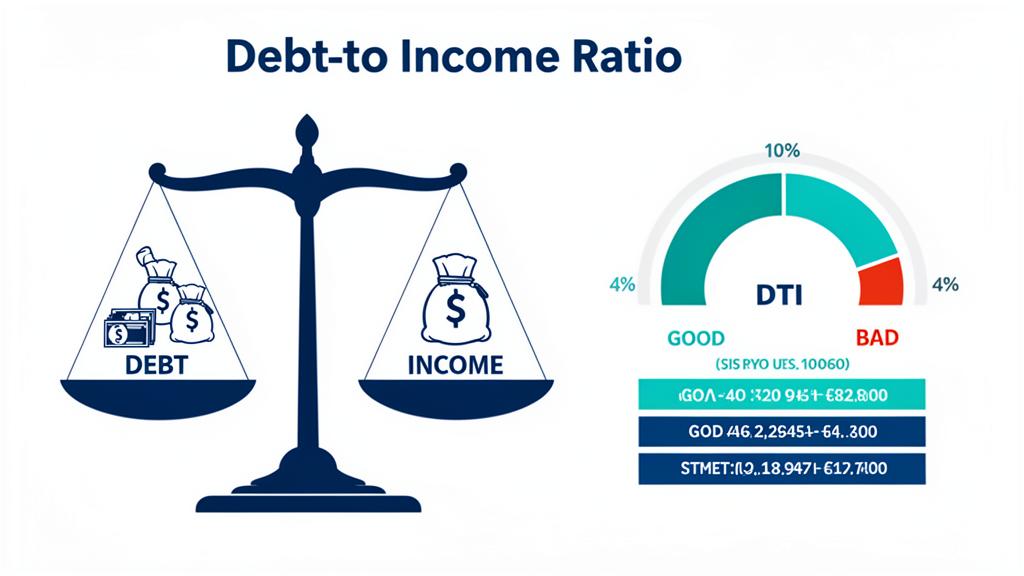
What Is a Good Debt-to-Income Ratio? Complete Guide
Understand debt-to-income ratio — how to calculate it, what lenders consider good, and practical strategies to improve your DTI for better loan terms.

How Student Loan Interest Works and How to Minimize It
Understand how student loan interest accrues, the difference between subsidized and unsubsidized loans, and strategies to reduce total interest paid.

Debt Consolidation: Pros, Cons, and When It Makes Sense
A complete guide to debt consolidation — how it works, when it helps, when it hurts, and how to choose the right method for your situation.

Home Equity Loan vs. HELOC: Which Is Right for You?
Compare home equity loans and HELOCs — how they work, interest rates, tax implications, and which option fits different financial goals.

How to Negotiate and Manage Medical Debt
Practical strategies to reduce, negotiate, and manage medical bills — from verifying charges to setting up payment plans and finding financial assistance.

7 Auto Loan Mistakes That Cost You Thousands
Avoid the most common car financing mistakes — from long loan terms and dealer markups to negative equity and gap insurance pitfalls.

When to Refinance Your Loans: A Complete Guide
Learn when refinancing makes financial sense for mortgages, student loans, auto loans, and personal debt — including break-even calculations and common pitfalls.

Student Loan Payoff Calculator: How Extra Payments Save You Thousands
Use our student loan payoff calculator to see how extra monthly payments reduce your total interest, shorten your repayment timeline, and help you become debt-free years sooner.

10 Best Side Hustles to Pay Off Debt Faster in 2026
Discover 10 realistic side hustles that can generate $500–$3,000 per month to accelerate your debt payoff, with startup costs, time requirements, and earning potential.

How to Improve Your Credit Score Fast: A Step-by-Step Guide
Learn the 5 factors that determine your credit score and actionable strategies to boost your score by 50-100+ points in 3-6 months.
Debt Consolidation Loan vs Balance Transfer: Which Lowers Cost Faster?
Compare debt consolidation loans and balance transfer credit cards to find which strategy saves you the most money and pays off debt faster.
Debt Snowball vs Debt Avalanche for Multi-Loan Repayment Plans
Compare the debt snowball and debt avalanche methods to determine which multi-loan repayment strategy saves you the most money.
Debt-to-Income Ratio Explained: Formula, Limits & DTI Calculator
Learn how to calculate your debt-to-income ratio, what lenders consider acceptable, and how to improve your DTI for better loan approvals.

Student Loan Repayment Strategies: Standard vs Extra Payments Calculator Guide
Compare standard repayment vs extra payments on student loans. See how much interest you save, how fast you pay off debt, and use our calculator to model scenarios.
Mortgage Prepayment vs Investing: A Decision Framework
Should you pay off your mortgage early or invest the extra money? Use this framework comparing after-tax returns, risk tolerance, and opportunity cost to decide.
Fixed vs Variable Student Loan Refinance: How to Assess Rate Risk
Compare fixed and variable rate student loan refinancing options. Learn when each makes sense and how to evaluate interest rate risk.
Loan Amortization Schedule Explained: Monthly Payments, Interest & Extra Payments
Understand how loan amortization works, how to read an amortization schedule, and how extra payments save thousands in interest.
Loan Amortization vs Simple Interest: What Borrowers Should Know
Understand the key differences between amortized and simple-interest loans, how each affects your total cost, and which structure works best for different borrowing scenarios.
Savings

How Much Emergency Fund Do You Actually Need?
Calculate the right emergency fund size for your situation — from the standard 3-6 months rule to adjustments for income stability, family size, and risk tolerance.

How to Save Money on a Tight Budget: 15 Practical Strategies
Realistic money-saving strategies for people living paycheck to paycheck — from automating small savings to cutting the big three expenses without sacrificing quality of life.
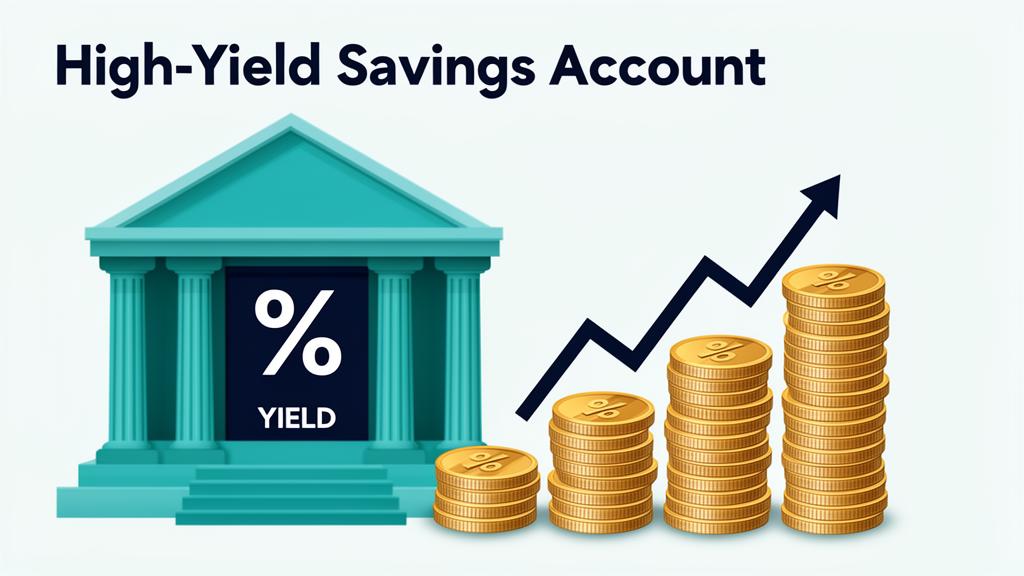
High-Yield Savings Accounts Explained: Are They Worth It?
Everything you need to know about high-yield savings accounts — how they work, current rates, pros and cons, and how to choose the best one for your money.
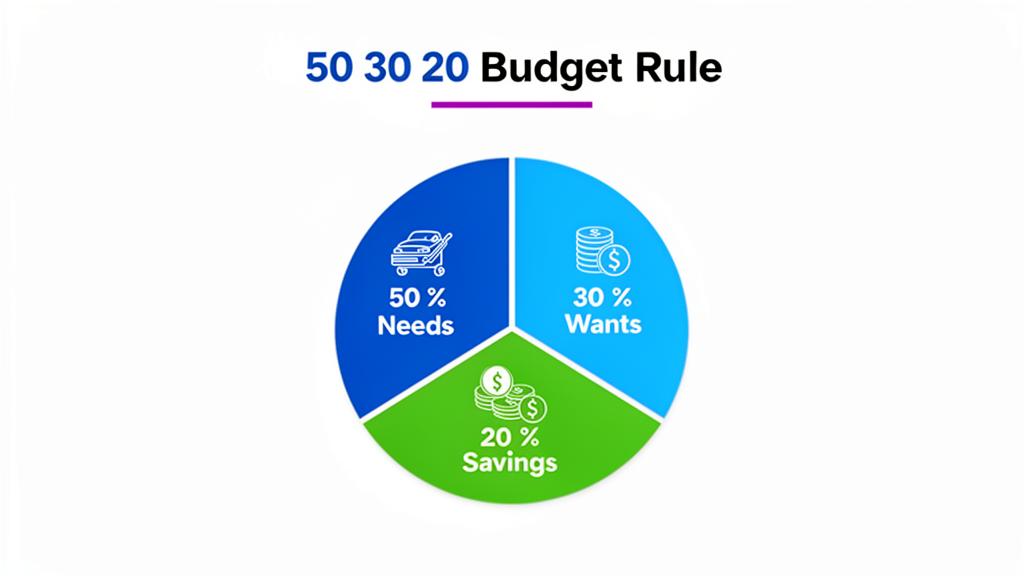
The 50/30/20 Budget Rule Explained: How to Use It
Master the 50/30/20 budgeting framework — allocate 50% to needs, 30% to wants, and 20% to savings. Includes real examples and tips for adapting the rule to your income.

How to Calculate Your Net Worth: A Step-by-Step Guide
Learn how to calculate your net worth, understand what the number means, and track it over time to measure your true financial progress.
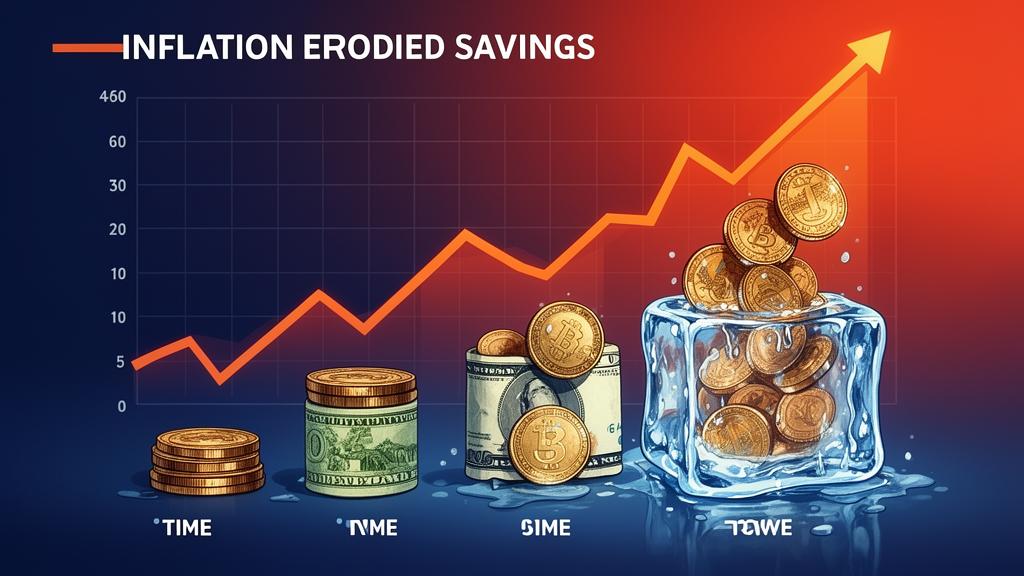
How Inflation Affects Your Savings and What to Do About It
Understand how inflation silently erodes your purchasing power, why savings accounts may not keep up, and strategies to protect and grow your wealth against rising prices.

Zero-Based Budgeting: How to Give Every Dollar a Job
Learn how zero-based budgeting works, why it outperforms traditional budgeting for many households, and how to set one up in under an hour.

HSA Investing: The Triple Tax Advantage Most People Miss
Your Health Savings Account can be the most powerful investment account you own. Learn why the triple tax advantage beats a 401(k), how to invest your HSA, and the retirement stealth strategy.

Building Wealth in Your 20s: The Complete Playbook
Your 20s are the most powerful wealth-building decade thanks to compound interest. Learn the exact steps — from first budget to first investments — to set yourself up for financial independence.

Pay Yourself First: The Simplest Wealth-Building Strategy
The pay yourself first method automatically prioritizes savings before spending. Learn how to implement it, how much to save, and why it outperforms traditional budgeting for most people.

Sinking Funds: How to Stop Living Paycheck to Paycheck
Sinking funds let you save in advance for predictable expenses like car repairs, holidays, and insurance premiums. Learn how to set them up and which categories to create.
How to Automate Your Savings and Build Wealth on Autopilot
Financial automation removes willpower from the equation. Learn how to set up automatic transfers, split direct deposits, and build a hands-free money management system.
Emergency Fund Calculator: How Many Months of Expenses Should You Save?
Use our emergency fund calculator to determine the right savings target based on your expenses, income stability, and risk factors.
Savings Goal Calculator: How Much to Save Each Month for Your Target
Use our savings goal calculator to find the exact monthly savings needed to reach any financial target. Covers emergency funds, down payments, vacations, and more.
Net Worth Calculator Guide: Track Assets, Liabilities & Financial Progress
Learn how to calculate your net worth, track it over time, and use the metric to measure real financial progress beyond income alone.
Debt
Biweekly Mortgage Payments vs. Monthly: Does It Really Save Interest?
Find out how switching from monthly to biweekly mortgage payments can save you thousands in interest and shave years off your loan.
Credit Card Payoff Calculator: Snowball vs. Avalanche and Interest Savings
Compare the debt snowball and avalanche methods using a payoff calculator. See how much interest you can save and which strategy gets you debt-free faster.